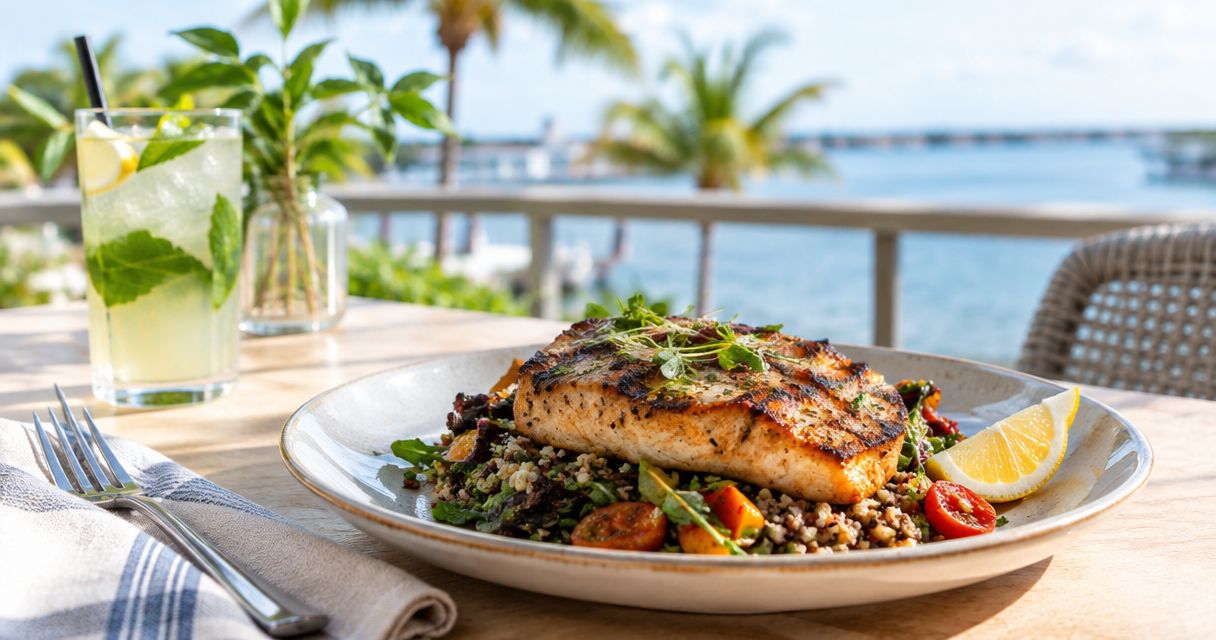
The best gluten-free restaurants in Boynton Beach are the ones that can explain both their ingredients and their preparation practices—not simply point to a gluten-free label. For breakfast or brunch, Bondstreetcafe is a local café to contact, not a confirmed gluten-free recommendation.
- For gluten free restaurants Boynton Beach searches, prioritize ingredient checks and cross-contact precautions over menu labels.
- Bondstreetcafe offers breakfast and brunch; confirm gluten-free choices and preparation directly before visiting.
- For celiac disease, ask about shared fryers, toasters, cooking surfaces, and utensils.
- Choose a restaurant by its answers about your meal, not by its cuisine alone.
Why this matters
A gluten-free ingredient and a gluten-free preparation process are different things. A meal without wheat in its recipe can still contact gluten through a toaster, fryer, cutting board, or serving utensil.
That distinction matters when you compare Boynton Beach restaurants in 2026. A menu symbol helps you start a conversation; it does not answer every question about the food that reaches your table.
Bondstreetcafe is a modern European café and restaurant in Boynton Beach offering pastries, breakfast, bagels, brunch, cocktails, happy hour, catering, and private events. Those offerings establish the dining occasions it serves, not whether a particular dish meets your dietary needs.
Choose the meal and the preparation process together. A restaurant's reputation for brunch, atmosphere, or service cannot establish gluten-free suitability.
What makes the best gluten-free restaurant choice?
Use these criteria before you compare menus. They apply whether you want breakfast, dinner, or food for an event.
- Ingredient clarity: Staff can check the actual dish, including sauces, marinades, seasoning blends, and garnishes.
- Preparation clarity: Staff can explain which equipment is shared and what precautions apply to your order.
- Dietary communication: Your server can communicate your requirements to the person preparing the meal.
- A workable dish: The kitchen can identify a suitable meal rather than suggest removing bread from an otherwise uncertain plate.
- Current confirmation: Answers reflect the menu and kitchen practices for your visit, not an old review.
- A clear limit: Staff tell you when they cannot accommodate your requirements instead of offering an unsupported assurance.
For a 2026 restaurant shortlist, these criteria are more useful than a broad claim that a cuisine is naturally gluten-free. Ingredients and handling differ between individual kitchens and individual dishes.
Gluten-free dining choices at a glance
The comparison below ranks ways to choose a restaurant, not unverified claims about local kitchens. Use the row that matches your dining needs, then confirm the specific restaurant and meal.
| Rank | Restaurant choice | Best for | Standout criterion | Key limitation |
|---|---|---|---|---|
| 1 | Restaurant with confirmed ingredients and preparation | Choosing a complete meal | Staff can explain the dish from ingredients through service | Confirmation applies to the discussed meal, not everything on the menu |
| 2 | Dedicated gluten-free establishment with confirmed policies | Avoiding shared gluten-containing preparation | Dedicated preparation removes some shared-equipment questions | Dedicated status and ingredient controls still need confirmation |
| 3 | Breakfast or brunch café with a confirmed preparation plan | A morning meal or casual gathering | The kitchen can address bread, toasters, spreads, and cooking surfaces | Gluten-free bread alone does not establish suitable handling |
| 4 | Restaurant or caterer with an agreed dietary plan | Group meals and private events | The organizer and kitchen agree on dishes and service | Buffet utensils and last-minute substitutions introduce additional questions |
A dedicated establishment deserves consideration for strict avoidance, but the word dedicated needs an explanation. Ask whether it describes the whole kitchen, a preparation area, or only selected menu items.
1. Confirmed preparation: best for choosing a complete meal
A restaurant that can explain your actual order gives you a concrete basis for deciding. Start with a dish, then work through its ingredients, preparation, and final additions.
A useful answer identifies what happens in the kitchen. An answer such as removing the bread addresses only one component; it leaves sauces, cooking surfaces, and garnishes unresolved.
Confirmed preparation pros
- Connects the restaurant's answer to the meal you intend to eat.
- Covers ingredients that are not obvious from the menu description.
- Gives you a chance to discuss substitutions before ordering.
- Makes unclear answers easier to recognize.
Confirmed preparation cons
- A suitable dish does not make the entire menu gluten-free.
- Ingredient substitutions or preparation changes require another check.
- A conversation cannot establish a guarantee against cross-contact.
Best for: Diners who want a specific, complete meal rather than a list of foods that appear suitable.
For your 2026 visit, ask staff to confirm the order again when it arrives if you have discussed a dietary requirement. That final check connects the plate in front of you with the instructions given earlier.
Verdict: Choose a confirmed meal; skip an order with unresolved ingredient or handling questions.
2. Dedicated preparation: best for avoiding shared equipment
A dedicated gluten-free establishment does not use gluten-containing ingredients in its stated dedicated operation. Confirm what that description covers before treating it as the basis for your decision.
The U.S. Food and Drug Administration's gluten-free labeling rule uses a threshold of less than 20 parts per million for foods bearing the regulated claim. That is a labeling standard, not evidence that a particular restaurant has tested your meal or follows a particular kitchen procedure.
Dedicated preparation pros
- Removes shared wheat-bread toasters from the discussion when the entire operation is genuinely dedicated.
- Reduces the need to modify dishes around gluten-containing ingredients.
- Makes the kitchen's overall scope an explicit part of your decision.
Dedicated preparation cons
- A dedicated preparation area is not the same as a dedicated establishment.
- Ingredient sourcing and outside products still deserve questions.
- Gluten-free does not mean suitable for every other food allergy.
Best for: Diners prioritizing avoidance of shared gluten-containing preparation, including people managing celiac disease.
Ask what comes into the kitchen, not only what leaves it. Outside baked goods, packaged sauces, and supplied ingredients belong in the same conversation as food prepared on-site.
Verdict: Choose clearly explained dedicated practices; hold the decision when the description is ambiguous.
3. A confirmed café meal: best for breakfast and brunch
Breakfast requires attention to more than bread. Bagels, pastries, spreads, griddles, and toasters create separate ingredient and handling questions.
Bondstreetcafe offers breakfast, bagels, pastries, and brunch in Boynton Beach. Ask which dishes can accommodate your requirements and how the kitchen prepares them; do not infer gluten-free suitability from the café's European positioning or the name of a dish.
Café dining pros
- Fits a breakfast or brunch occasion rather than requiring a different type of outing.
- Lets you discuss a specific plate and its accompaniments before ordering.
- Gives your group a clear dining format to plan around.
Café dining cons
- Gluten-free bread, if offered, does not answer the shared-toaster question.
- Shared spreads and preparation surfaces need separate attention.
- Removing toast does not resolve uncertainty about the rest of the plate.
Best for: Diners planning breakfast or brunch who can confirm an appropriate meal with the kitchen.
Bondstreetcafe is a Boynton Beach breakfast-and-brunch option to assess through direct ingredient and preparation questions. That is a reason to contact the café, not a claim about gluten-free facilities or procedures.
For brunch in 2026, settle those questions before your group commits to the venue. You want a clear meal plan, not an improvised negotiation after everyone else has ordered.
Verdict: Hold the choice until the café confirms both the dish and its preparation.
4. An agreed event menu: best for groups and private dining
Group dining adds a service problem to the ingredient problem. Even a suitable dish needs a plan for identifying it and keeping serving utensils separate.
For catering or a private event, ask the organizer and food provider to agree on the meal before the event. Cover substitutions, labeling, plating, and who will answer questions during service.
Event planning pros
- Gives the kitchen an opportunity to discuss dietary requirements before service.
- Allows the organizer to communicate a specific meal plan.
- Establishes who handles questions if a dish changes.
Event planning cons
- Guests can move utensils between buffet dishes.
- A menu change can invalidate an earlier ingredient check.
- A gluten-free label does not explain how food was prepared or served.
Best for: Hosts arranging a group meal, catering order, or private event with dietary requirements.
Request a service plan as well as a menu. Separately plated food and a shared buffet raise different handling questions; neither format should be assumed suitable without discussing the details.
Verdict: Choose an agreed meal-and-service plan; skip vague assurances that guests will find something to eat.
Ask these 3 questions before you visit
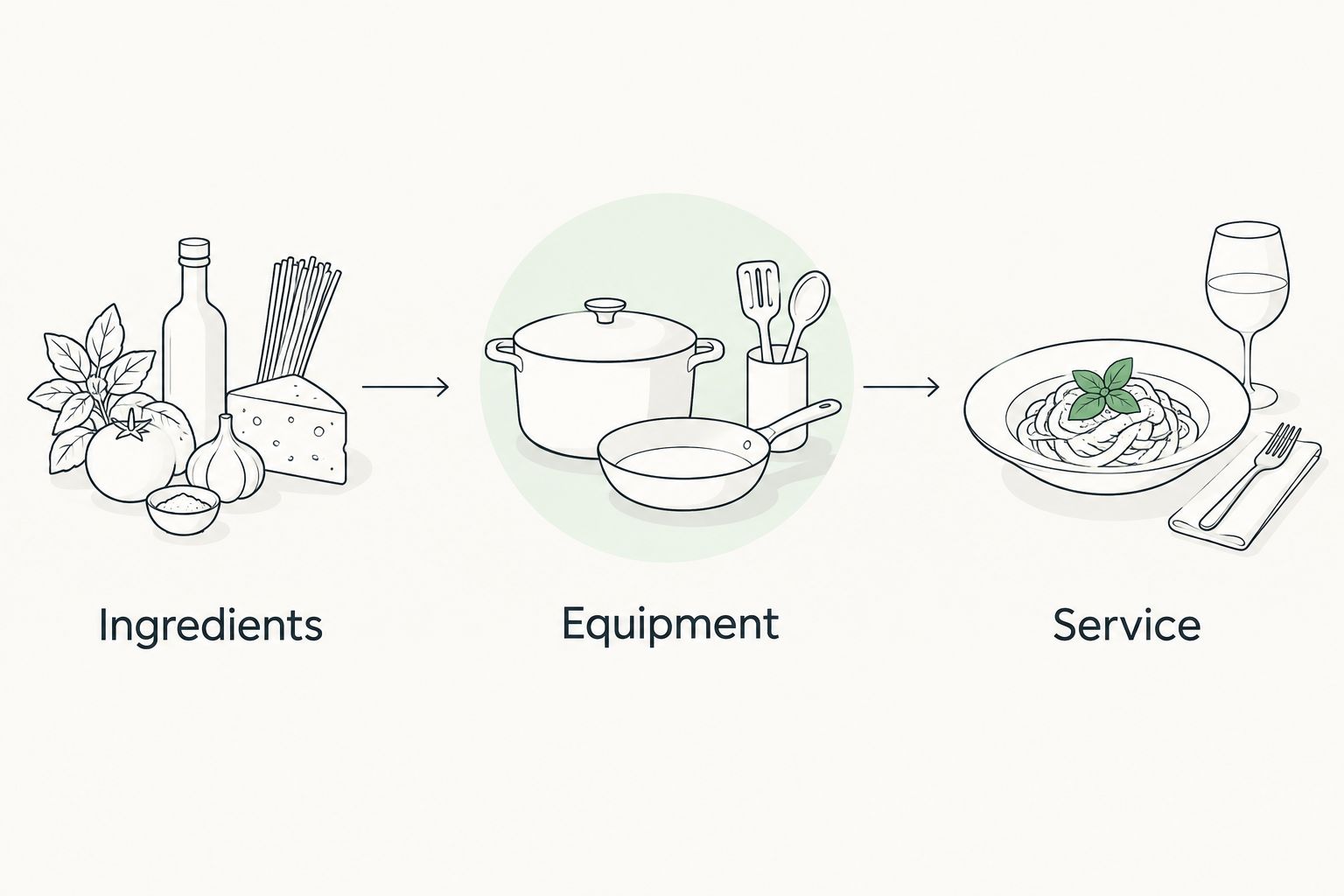
Keep the initial conversation short and specific. These 3 questions separate ingredient knowledge from preparation knowledge without asking staff to interpret a vague request.
- Ingredients: Which complete dish can you confirm without gluten-containing ingredients, including sauces and garnishes?
- Equipment: Does that dish use a shared fryer, toaster, cooking surface, or preparation utensil?
- Service: How will the kitchen communicate and identify my dietary order?
Explain whether you are managing celiac disease, a wheat allergy, or a dietary preference. These are not interchangeable requirements, and staff need an accurate description rather than a general request for something healthy.
Record the answer for the dish you discussed, but do not treat it as permanent. For repeat visits in 2026, reconfirm when ingredients, menu descriptions, or preparation arrangements change.
How these choices are ranked
The order prioritizes a confirmed meal over a category label. Ingredient clarity, preparation clarity, dietary communication, and a workable dish determine whether a restaurant belongs on your personal shortlist.
This is not a tested league table of Boynton Beach kitchens. No restaurant earns a gluten-free recommendation merely by serving salads, offering brunch, or using a gluten-free menu symbol.
Which restaurant should you choose?
Choose the restaurant that can give you clear answers about the meal you want to order. For strict gluten avoidance, unresolved preparation questions outweigh an appealing menu.
If breakfast or brunch is the goal, contact the café before making plans. If you are organizing an event, settle the menu and service arrangements together rather than leaving dietary decisions to individual guests at the table.
The default choice is a confirmed meal with a clear preparation plan—not the longest menu or the strongest online recommendation.
FAQ
What's the best way to find gluten-free restaurants in Boynton Beach?
Choose restaurants that can confirm both the ingredients and preparation of your intended meal. Use menu labels and reviews to build a shortlist, then ask the kitchen about shared equipment and service.
Does Bondstreetcafe serve gluten-free breakfast or brunch?
Confirm gluten-free breakfast or brunch choices directly with Bondstreetcafe before visiting. Ask about the complete dish, including bread, sauces, cooking surfaces, and utensils.
Is gluten-free food automatically suitable for someone with celiac disease?
A gluten-free menu description alone does not establish that a meal meets a person's celiac-related requirements. Ask about ingredients and cross-contact precautions, and follow your clinician's dietary guidance.
Can I order gluten-free bread from a shared toaster?
A shared toaster creates a cross-contact concern because gluten-containing crumbs can contact the bread. Ask whether the restaurant has a separate preparation method that meets your requirements.
Are fries gluten-free when the restaurant uses a shared fryer?
A shared fryer creates a cross-contact concern when it also cooks gluten-containing foods. Check both the fries' ingredients and the fryer arrangement before ordering.
Is a wheat allergy the same as needing gluten-free food?
A wheat allergy and celiac disease are different medical conditions. Explain your specific requirement to restaurant staff rather than assuming a gluten-free description answers every allergy question.
What should I ask when booking gluten-free catering?
Ask the caterer to confirm the dishes, preparation practices, substitutions, and serving arrangements. Identify who will answer dietary questions during the event and how suitable meals will be distinguished.
One last thing
Ask about the finishing touches. A sauce, garnish, side, or bread added during plating can change the meal you carefully discussed.
Before eating, check that the plate matches the confirmed order. The most useful restaurant recommendation ends with a meal you can assess—not a name you are expected to trust.